

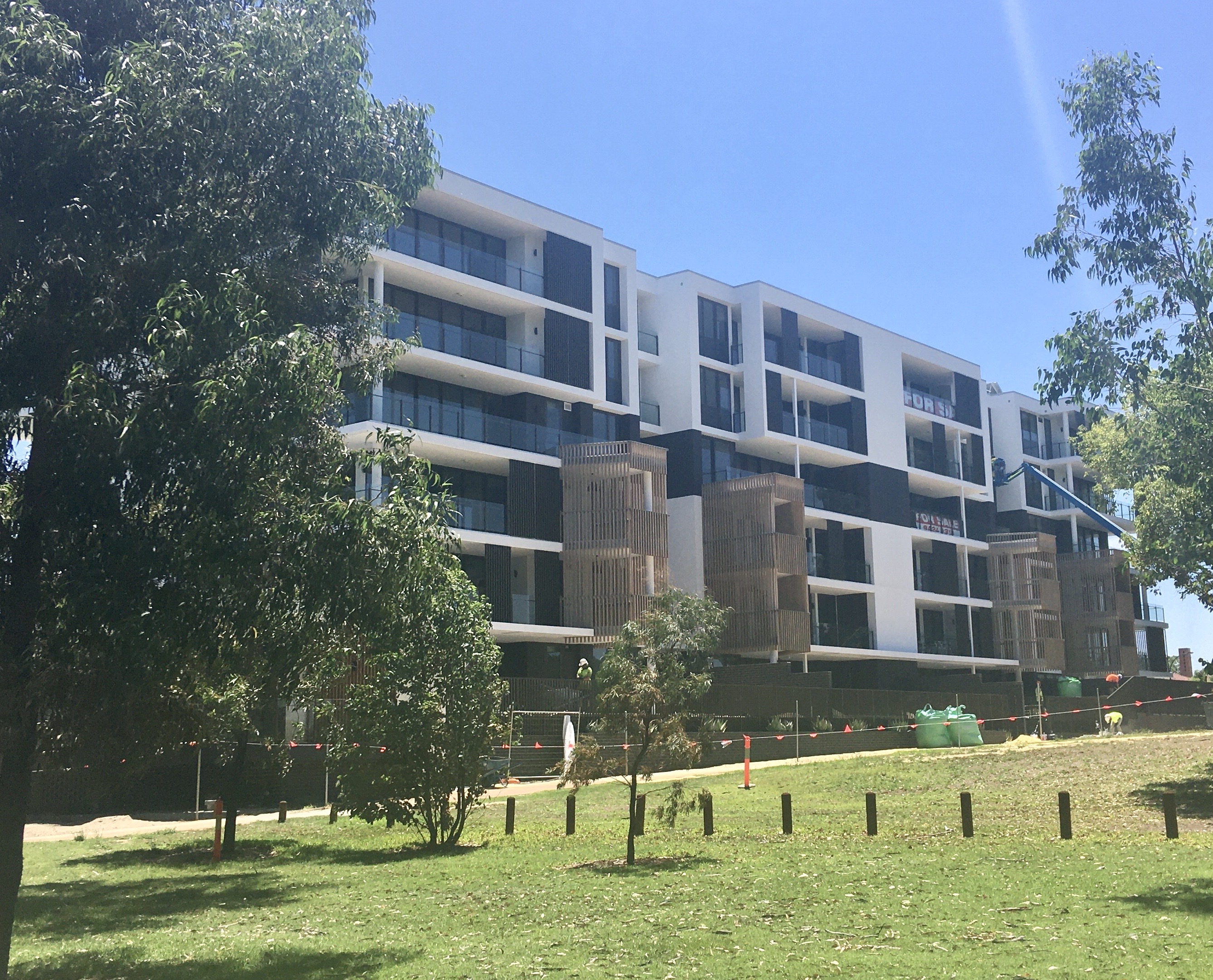
Modular pods and tiny homes are marketed as quick, affordable housing. In WA, however, they are not automatically a separate planning category. The City of Bunbury’s August guidance says classification and approval depend on use, location, size and value, with planning, building and health requirements potentially applying.
Approve the site, not just the pod
A compliant product can still fail on a particular property because of setbacks, density, access, bushfire, wastewater, heritage or servicing. Ask the local government how the proposed use will be classified before paying a non-refundable deposit.
Your pre-order checklist
- Written planning advice for the exact lot and intended occupancy.
- Building classification, certification documents and wind rating.
- Transport route, crane access and installation clearances.
- Water, sewer or onsite wastewater, power and stormwater design.
- Bushfire, flood, coastal and environmental constraints.
- Finance, insurance, warranty and resale treatment.
The hidden cost stack
The advertised pod price may exclude design, permits, transport, crane hire, foundations, service connections, earthworks, landscaping and professional fees. Compare complete installed cost with a conventional build on the same site.
Choose the exit before the product
Clarify whether the strategy is a long-term rental, ancillary dwelling, sale, short stay or owner occupation. Each exit changes the planning, lending, management and demand assumptions.
TPC deal lens
Prefab is a construction method, not a strategy by itself. A good deal begins with lawful use, verified total cost and a buyer or tenant who values the finished product.
Sources and image attribution
- City of Bunbury — Tiny homes and prefabricated pods approvals guidance (12 August 2026)
- Feature photo: Steelkamp, Wikimedia Commons, CC BY-SA 4.0. Cropped for presentation; licence retained.
This article is general property education, not financial, legal, planning or building advice. Verify the current rules and obtain qualified advice for the specific site.
Watch The Free Training
Watch the free Think Property Club training and learn how everyday Australians are using the wholesale property system to find, assess and structure high-profit property opportunities.
Watch the free masterclass →Frequently asked questions
What should investors know about Approve the site, not just the pod?
A compliant product can still fail on a particular property because of setbacks, density, access, bushfire, wastewater, heritage or servicing. Ask the local government how the proposed use will be classified before paying a non-refundable deposit.
What should investors know about Your pre-order checklist Written planning advice for the exact lot and intended occupancy. Building classification, certification documents and wind rating. Transport route, crane access and installation clearances. Water, sewer or onsite wastewater, power and stormwater design. Bushfire, flood, coastal and environmental constraints. Finance, insurance, warranty and resale treatment. The hidden cost stack?
The advertised pod price may exclude design, permits, transport, crane hire, foundations, service connections, earthworks, landscaping and professional fees. Compare complete installed cost with a conventional build on the same site.
What should investors know about Choose the exit before the product?
Clarify whether the strategy is a long-term rental, ancillary dwelling, sale, short stay or owner occupation. Each exit changes the planning, lending, management and demand assumptions.
What should investors know about TPC deal lens?
Prefab is a construction method, not a strategy by itself. A good deal begins with lawful use, verified total cost and a buyer or tenant who values the finished product.
Should investors get professional advice about Before You Buy A Prefab Pod: The WA Approval Checks That Protect Your Exit?
Yes. This article is general education, so legal, tax, finance, planning or building questions should be checked with appropriately qualified professionals before acting.
Rate this article
How useful did you find this article? 1 is poor and 5 is great.
Join the conversation
Your email address will not be published.
Loading comments…