

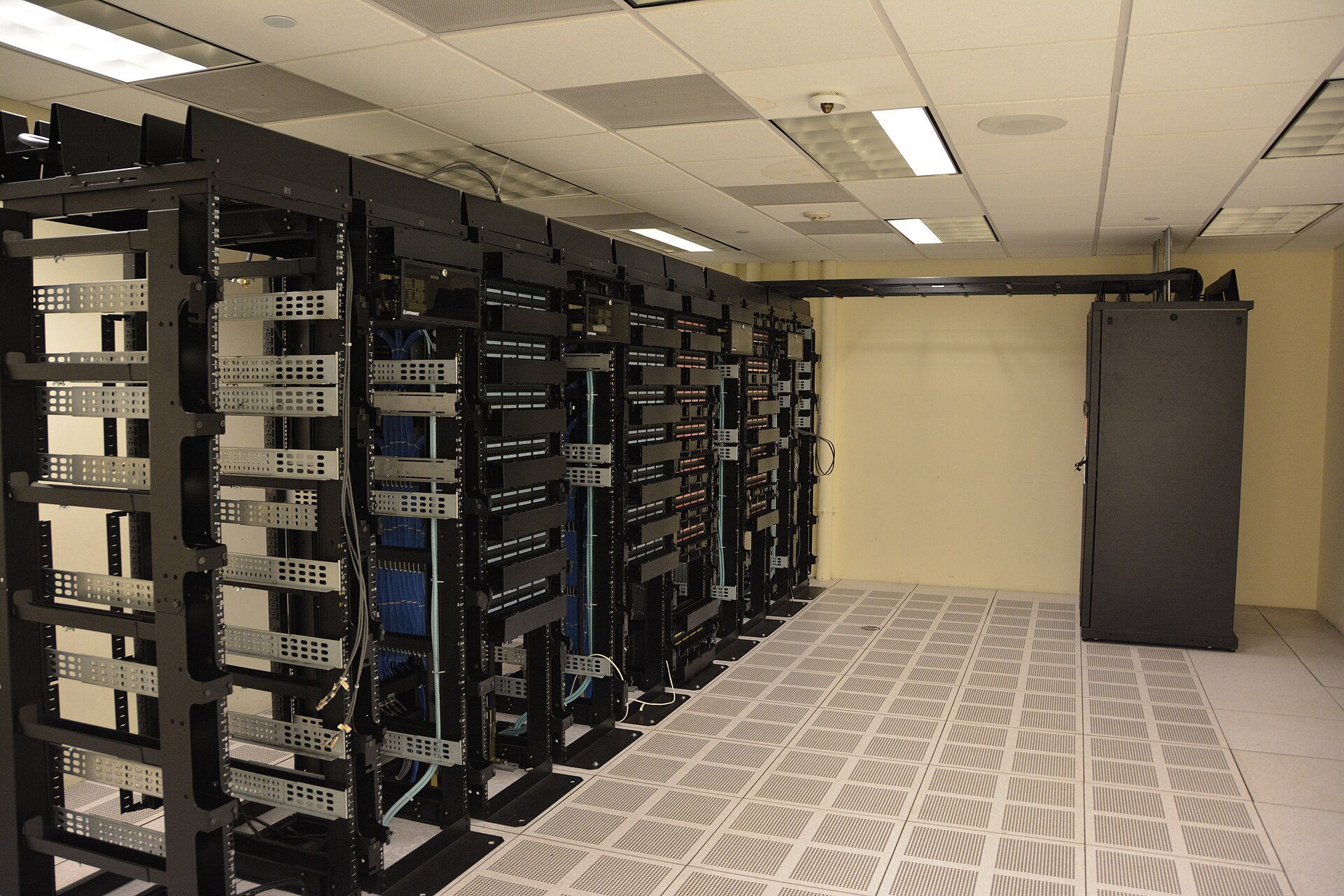
South Australia amended its development regulations on 13 August 2026 so certain preliminary works for eligible data-centre projects can proceed without development approval. The exemptions are limited and deliberately place execution risk on the proponent.
What can start early
Subject to a separate state-agency approval and council notification, eligible works can include excavation and fill, access roads and fencing. Excavation and fill are excluded in flood zones and coastal areas, and other legislation continues to apply.
Five questions before mobilising
- Is the project and each proposed work expressly eligible?
- Which state-agency approval is required before work begins?
- Have flood, coastal and native-vegetation constraints been cleared?
- Can the early design be reused if the final approval changes?
- Who carries reinstatement, delay and contractor standby costs?
Speed can create stranded work
Starting earlier may protect a program, but it can also lock in levels, access geometry or servicing assumptions before the final design is settled. Package early works so they remain useful across credible approval outcomes.
Power and servicing remain the real gate
A data-centre land deal depends on verifiable electricity, water, telecommunications, access and environmental capacity. An early-works exemption does not solve those fundamentals or guarantee final consent.
TPC deal lens
Treat the exemption as a scheduling option, not an approval shortcut. The strongest deal has documented service capacity, flexible early works and contracts that allocate the downside clearly.
Sources and image attribution
- PlanSA — Regulation changes for data-centre early works
- Feature photo: Carl Lender, Wikimedia Commons, CC BY 2.0. Cropped for presentation; licence retained.
This article is general property education, not financial, legal, planning or building advice. Verify current rules and obtain qualified advice for the specific site.
Watch The Free Training
Learn the practical framework Jason and Amy use to assess property opportunities, risk and feasibility.
Register for Webinar Jam →Frequently asked questions
What should investors know about What can start early?
Subject to a separate state-agency approval and council notification, eligible works can include excavation and fill, access roads and fencing. Excavation and fill are excluded in flood zones and coastal areas, and other legislation continues to apply.
What should investors know about Five questions before mobilising Is the project and each proposed work expressly eligible? Which state-agency approval is required before work begins? Have flood, coastal and native-vegetation constraints been cleared? Can the early design be reused if the final approval changes? Who carries reinstatement, delay and contractor standby costs? Speed can create stranded work?
Starting earlier may protect a program, but it can also lock in levels, access geometry or servicing assumptions before the final design is settled. Package early works so they remain useful across credible approval outcomes.
What should investors know about Power and servicing remain the real gate?
A data-centre land deal depends on verifiable electricity, water, telecommunications, access and environmental capacity. An early-works exemption does not solve those fundamentals or guarantee final consent.
What should investors know about TPC deal lens?
Treat the exemption as a scheduling option, not an approval shortcut. The strongest deal has documented service capacity, flexible early works and contracts that allocate the downside clearly.
Should investors get professional advice about South ’s Data-Centre Fast Start: Why Early Works Still Need A Full Risk Price?
Yes. This article is general education, so legal, tax, finance, planning or building questions should be checked with appropriately qualified professionals before acting.
Rate this article
How useful did you find this article? 1 is poor and 5 is great.
Join the conversation
Your email address will not be published.
Loading comments…