
Queensland Scheme Changes: One year to ask for the old scheme. Then it is gone
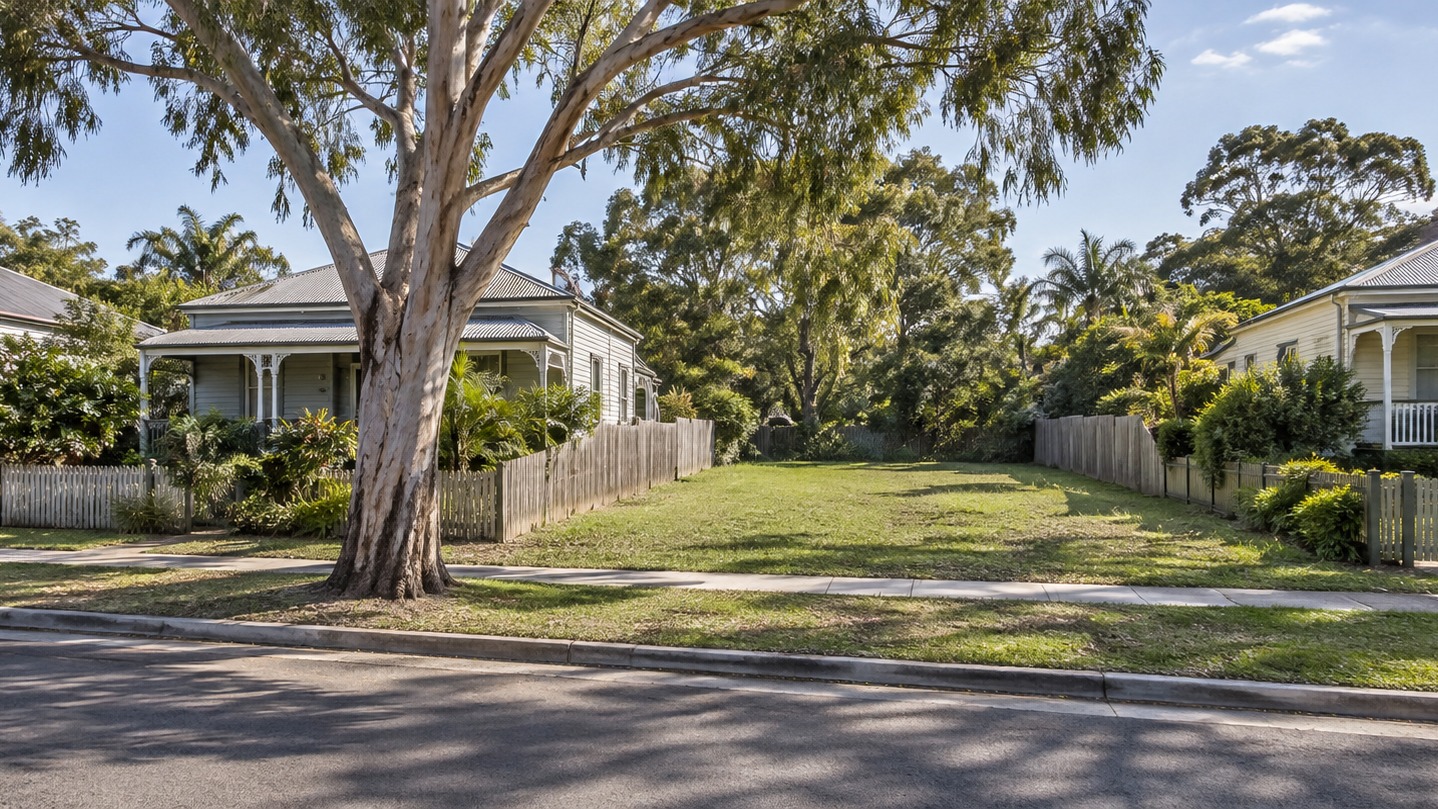
A Queensland site comes up with a price that only makes sense on the old density controls. The agent says the council “will look at it”. You check the planning scheme and find it was replaced fourteen months ago. That sentence either opens the deal or closes it, and it turns on a date, not on optimism.
When a local government replaces its planning scheme, the previous scheme becomes a superseded planning scheme. The Planning Act 2016 gives you a narrow, time-limited right to ask for the old scheme to be applied to your development. A student who learns this check early stops buying rezonings as though they were still approvals.
The deal question
Should I buy a site whose value depends on planning controls that no longer apply? Before answering that, you need one uncomfortable number: how much of the one-year request window is left.
The checks a student would run
- The current scheme date. Pull the commencement date of the planning scheme in force and the date the previous scheme became superseded. The one-year period in section 29 runs from the scheme and related policies becoming superseded.
- The superseded controls. Reconstruct what the old scheme actually permitted on this lot: zoning, minimum lot size, height, density, use rights. Old density is only valuable if you can articulate it precisely.
- What changed. Identify whether the change is a simple tightening or an adverse planning change, because that determines whether compensation is even in play.
- The request pathway. Confirm whether a request under section 29 would ask the local government to assess a development application under the old scheme, or to apply the old scheme to something that used to be accepted development.
- The compensation test. If the change is adverse, check the section 31 triggers and the limits against them before assuming a claim exists.
- The decision timeline. Build the scenario where the request is refused, because that is the branch that produces a refusal, a court appeal and a claim question.
The order and reasoning behind the checks
The order matters because the cheap checks eliminate the expensive ones. Scheme dates cost nothing and can end the deal. Reconstructing old controls costs a planner's hour and tells you what you are actually asking for. Only then is it worth paying for a planning strategy, and only after that should you consider a compensation claim, which is the slowest and most uncertain part of the chain.
The trap or expensive mistake
Two traps catch buyers. The first is buying the old density. If the window has closed, the previous controls are history; the site must be priced on the current scheme, and any contract conditional on “council approval of the old density” is conditional on something that cannot lawfully be granted.
The second trap is assuming that if the request is refused and your application is later refused, the compensation clock runs from the end of your appeal. It does not. In Roseingrave v Brisbane City Council [2024] QPEC 7, summarised by Colin Biggers & Paisley, the court found the six-month limit in section 31(6) ran from the decision notice on the development application, not from the later dismissal of the appeal, and declined to extend time. The Planning Institute of Australia's March 2026 practitioner update makes the same point: a claim tied to a section 31(3) or (4) decision must be made within six months after notice of that decision, while a public purpose change claim has two years.
What the rule actually means
Section 29 gives you a right to ask, not a right to receive. The local government must decide whether to agree to the request within the period prescribed by regulation and give a decision notice within five business days of deciding. If it gives no notice within five business days after that period ends, it is taken to have agreed. Where the request is agreed for development that used to be accepted development, the development may be carried out under the superseded scheme; where it is agreed for a development application, the application is assessed under the old scheme instead of the current scheme and its planning scheme policies. If the request is refused, section 31 opens a compensation pathway only in the defined circumstances, and the Planning and Environment Court Act 2016 governs how the court treats the superseded scheme on appeal.
What the result means for feasibility and the offer
Run three numbers. First, yield on the current controls. Second, yield on the superseded controls if the request is agreed. Third, the probability-weighted version, where you allow for a refusal and a delay of a year or more while the request and any appeal resolve.
On a simple example — a suburban lot where the old minimum lot size permitted three dwellings and the current scheme permits two — the difference is one dwelling, say a mid-range product in that market. If the request window is open, the extra yield can justify a higher offer, but the offer should still be conditional on the request being agreed and should carry a price for the delay. If the window has closed, the deal is a two-dwelling deal. Trying to buy a two-dwelling site at a three-dwelling price is the emotional trap: the buyer is paying for a plan the law no longer permits, because the price feels like a bargain against the old numbers.
The Think Property Club lesson
Density is a perishable asset. The disciplined student dates the evidence: which scheme, in force when, superseded when, request window open until when. That habit turns a vague “council will look at it” into a go/no-go decision with a date attached, and it is the same evidence discipline that makes a feasibility defensible to a lender.
Practical checklist and next steps
- Confirm the current scheme's commencement date and the date the previous scheme became superseded.
- Reconstruct the superseded controls and write them down as a single-page yield comparison against today's controls.
- Calculate the remaining time in the one-year window before you sign anything.
- Get written advice on whether a section 29 request would be agreed and what a refusal would mean for the deal.
- If the change is adverse, diarise the section 31 limits — two years for a public purpose change, six months from the decision notice for the other triggers — and never let an appeal be treated as a pause.
Sources and boundaries
Sources checked 22 September 2026. Jurisdiction and limits: Queensland only. The superseded planning scheme request regime and compensation provisions are those of the Planning Act 2016 (Qld) in force at the checked date, as amended. Temporary Local Planning Instruments do not create a superseded planning scheme and are not adverse planning changes. Time limits are strict: one year to make a superseded planning scheme request, two years for a public purpose change compensation claim, and six months from the relevant decision notice for other compensation triggers. The market example is illustrative only and is not a prediction of value or yield.
- Queensland legislation — Planning Act 2016, current in-force version (Part 4, superseded planning schemes; section 29). Used for: the one-year period to make a superseded planning scheme request, what the request asks the local government to do, and the five business day decision notice rule (Checked 22 September 2026)
- Queensland legislation — Planning Act 2016, section 31 as in force (claiming compensation). Used for: the compensation triggers, the two-year limit for a public purpose change, and the six-month limit after a decision notice under section 31(3) or (4) (Checked 22 September 2026)
- Queensland legislation — Planning and Environment Court Act 2016, section 46 (appeals about superseded planning scheme applications). Used for: how the Planning and Environment Court must treat the superseded planning scheme on appeal (Checked 22 September 2026)
- Planning Institute of Australia — Ask Mullins, March 2026 edition (adverse planning change and compensation). Used for: a practitioner summary of the section 31 triggers, the two-year and six-month claim limits, and how compensation is calculated (Checked 22 September 2026)
- Colin Biggers & Paisley — out-of-time compensation application under section 31 (Roseingrave v Brisbane City Council [2024] QPEC 7). Used for: the court's treatment of the six-month limit running from the decision notice rather than the end of a later court appeal (Checked 22 September 2026)
This article is general education, not personalised planning, legal, financial, tax, privacy, safety or building advice. Requirements and outcomes vary by jurisdiction, site, contract, structure and circumstances. Check current information with the relevant authority and appropriately qualified advisers.
 Learn with Jason & AmyBuild practical small-scale property development skills with experienced mentors.Enquire now
Rate this article
Guest rating: select 1 star for poor or 5 stars for great. No account is required.
Leave a comment
Join the discussion. Your email address will not be published.
Frequently asked questions
What exactly is a superseded planning scheme request?
It is a written request to the local government under section 29 of the Planning Act 2016 asking it either to accept, assess and decide a development application under the old planning scheme, or to apply the old scheme to development that was accepted development before the change. It must be made within one year after the planning scheme and its related policies become superseded.
How do I know when my scheme became superseded, and when the clock started?
The clock runs from the day the planning scheme and related policies become a superseded planning scheme, which is tied to the new scheme taking effect, not to the day you found out. That is why the first document a student pulls on a Queensland site is the gazettal or commencement date of the current scheme, plus the planning scheme policies that changed with it.
Does a request automatically get me the old scheme's density?
No. The local government decides whether or not to agree, within the period prescribed by regulation, and must give a decision notice within five business days of deciding. If no notice is given within five business days after the end of that period, the local government is taken to have agreed. Agreement is a decision on the request, not an approval of your development.
Is compensation available if the rezoning hurts my site?
It can be, but the triggers are narrow. Under section 31 an affected owner may claim for a public purpose change within two years, or in defined circumstances where the local government refuses a superseded planning scheme request and a development application is refused, approved with conditions, or approved in part. Those claims are limited to six months after the relevant decision notice, and the courts have enforced that strictly.
What does this mean for a site I am about to buy?
Treat the scheme change history as a priced risk. Confirm the current scheme date, whether a superseded planning scheme request is still available and for how long, what the old controls allowed, and how long the resolution would take. If the window has closed on a site whose value depends on the old controls, either re-price the deal on the current controls or walk away — an expired window is not a negotiating position.
Loading comments…