
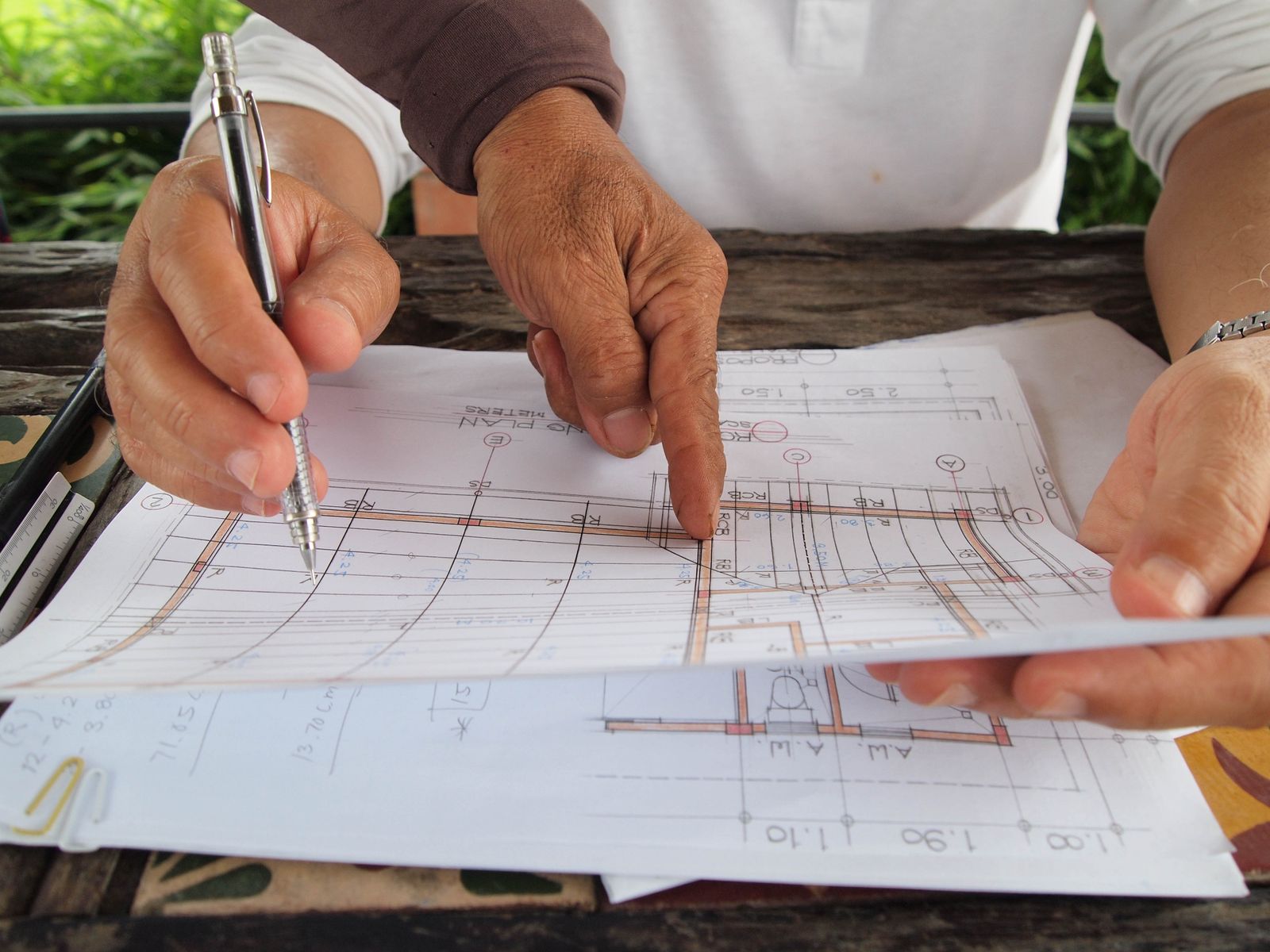
Property development becomes more manageable when you replace assumptions with a repeatable decision process. The goal is not to avoid every challenge. It is to identify and manage it early.
A single profit number is not a decision
A feasibility can look precise while hiding fragile assumptions. The spreadsheet is not wrong because it has a margin; it is incomplete if you do not know what happens when the project moves against you.
A capable developer treats the base case as one scenario, not a forecast. Then they deliberately apply pressure.
Run the five-shock test
Test revenue down, construction cost up, interest cost up, programme delayed and saleable yield reduced. Change one variable at a time so you can see which assumption carries the deal, then combine plausible adverse movements for a downside case.
Use evidence and professional inputs appropriate to the project. The test percentages are not universal. A quantity surveyor, builder, valuer, selling agent, broker, accountant and other advisers may each improve different assumptions.
Read the result like a developer
Ask which shock causes the first unacceptable outcome, which assumption has the weakest evidence, whether the risk can be designed around or negotiated, and what must be true before commitment.
If a modest change wipes out the margin, the answer is not to hide the downside row. You may need a lower land price, different product, stronger contract protection, more contingency or a different opportunity.
A labelled hypothetical
Assume an illustrative project shows a $300,000 margin before tax. A six-month delay adds holding costs; a construction increase reduces the margin further; a lower end value does the most damage. The numbers are deliberately not presented as typical.
The useful conclusion is the ranking: end value evidence needs the most attention, delay needs a programme response, and the offer price must reflect remaining uncertainty. That is a decision framework, not a prediction.
Key Takeaway
A feasibility earns trust when you understand its breaking points. Stress the assumptions, investigate the most sensitive ones and structure the offer around evidence—not the comfort of a single base-case number.
Your Turn
Which one change—revenue, cost, interest, time or yield—does the most damage to your current feasibility, and how will you verify or manage it before committing?
Continue learning
- How to know if a development deal works
- How to screen a small development site
- How to stage your due-diligence budget
Sources and boundaries
- NSW Planning Portal, Your guide to the Development Application process (accessed 2 September 2026)
- Australian Government, Prepare a contract (accessed 2 September 2026)
- Australian Government, Negotiate a contract (accessed 2 September 2026)
This article is general education, not personalised planning, legal, financial or tax advice. Requirements and outcomes vary by jurisdiction, site, structure and circumstances. Check current information with the relevant authority and appropriately qualified advisers.
Frequently asked questions
What should investors know about A single profit number is not a decision?
A feasibility can look precise while hiding fragile assumptions. The spreadsheet is not wrong because it has a margin; it is incomplete if you do not know what happens when the project moves against you.
What should investors know about Run the five-shock test?
Test revenue down, construction cost up, interest cost up, programme delayed and saleable yield reduced. Change one variable at a time so you can see which assumption carries the deal, then combine plausible adverse movements for a downside case.
What should investors know about Read the result like a developer?
Ask which shock causes the first unacceptable outcome, which assumption has the weakest evidence, whether the risk can be designed around or negotiated, and what must be true before commitment.
What should investors know about A labelled hypothetical?
Assume an illustrative project shows a $300,000 margin before tax. A six-month delay adds holding costs; a construction increase reduces the margin further; a lower end value does the most damage. The numbers are deliberately not presented as typical.
What should investors know about Key Takeaway?
A feasibility earns trust when you understand its breaking points. Stress the assumptions, investigate the most sensitive ones and structure the offer around evidence—not the comfort of a single base-case number.
Rate this article
How useful did you find this article? 1 is poor and 5 is great.
Join the conversation
Your email address will not be published.
Loading comments…