Developers and Banks: A Growing Divide in Australia's Housing Market
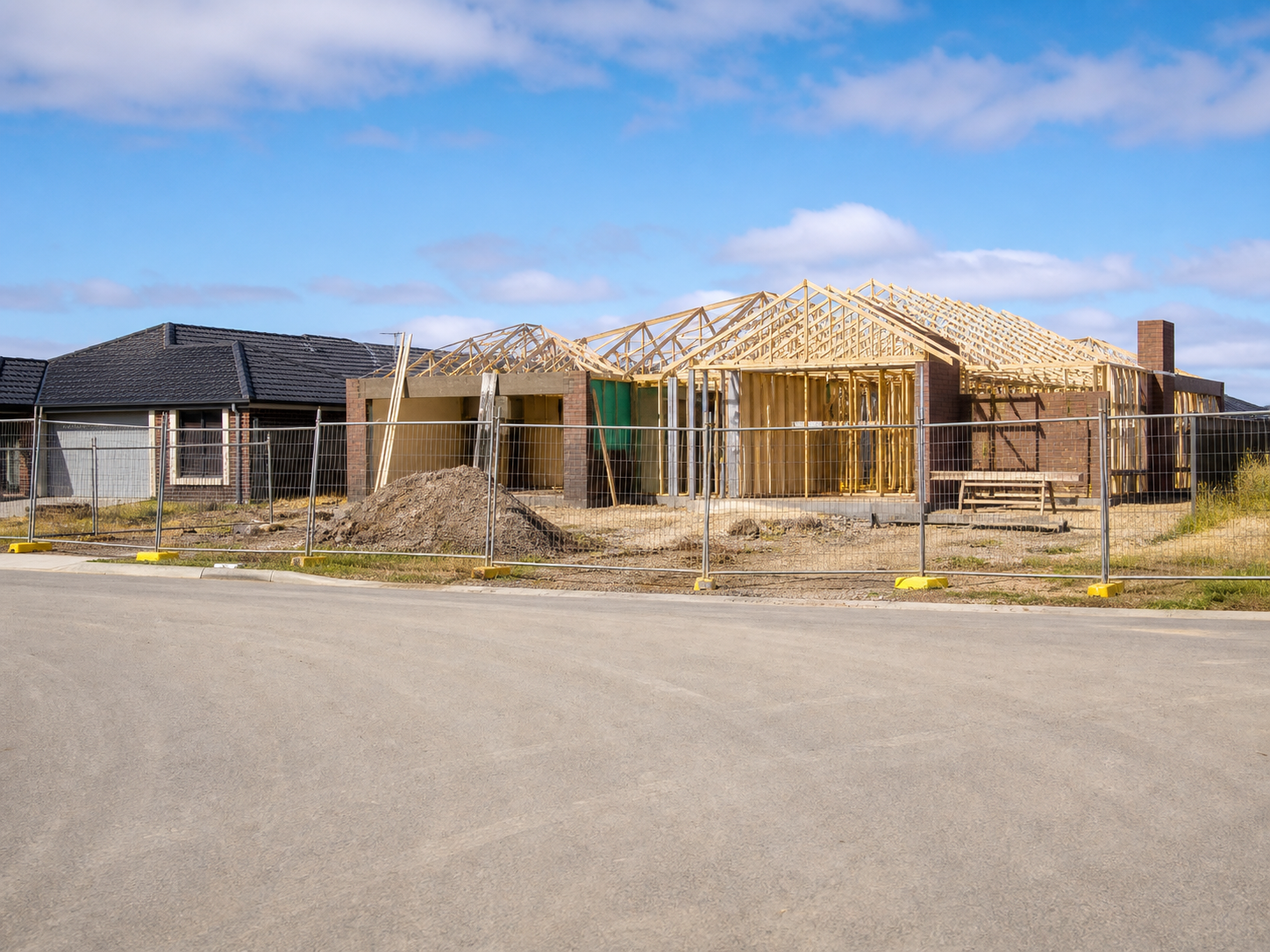
As developers push forward with new projects amid optimistic market forecasts, banks remain cautious about lending. This article explores the implications of this disconnect for Australian property investors and buyers.
Developers and Banks: A Growing Divide in Australia's Housing Market
As Australia's property market continues to evolve, a significant disconnect has emerged between developers and banks regarding market conditions. While developers remain optimistic about future demand and project viability, banks are adopting a more cautious approach to lending. This divergence has important implications for investors, buyers, and the broader housing landscape.
Understanding the Divide
Developers are typically focused on long-term project timelines and future market conditions. They often invest in new housing developments based on projected demand, demographic trends, and infrastructure projects. This forward-looking perspective drives their decision-making, particularly when securing finance for new projects.
Banks, however, operate with a more immediate risk assessment framework. They evaluate current economic indicators, employment data, and household debt levels before approving loans. With rising interest rates and economic uncertainty, banks are tightening lending criteria, which affects both buyers and developers seeking financing for new projects.
What this means for Australian property investors
For investors, this divide creates a complex environment. Developers' optimism may lead to increased supply in certain markets, potentially impacting price growth. However, banks' caution means financing for new projects may be harder to secure, which could slow down development activity in the short term.
Investors should consider the following:
- Assess market fundamentals rather than developer projections
- Consider current lending rates and conditions when planning purchases
- Be prepared for potential market volatility as supply and demand dynamics shift
Due-diligence checklist
Before making property investment decisions, conduct thorough due diligence:
- Verify the developer's track record and current project pipeline
- Check current lending rates and bank approval criteria
- Assess local market conditions, including supply and demand dynamics
- Review potential rental yields and vacancy rates in the area
- Consider exit strategies in case market conditions change
Risks and limitations
The current market divide presents several risks for investors:
- Overestimating demand based on developer projections rather than current market data
- Underestimating the impact of tighter lending criteria on property affordability
- Exposure to potential price corrections if supply increases faster than demand
- Increased financial pressure from rising interest rates affecting both buyers and investors
It's important to recognize that this market environment is fluid. What appears to be a disconnect today may align as economic conditions stabilize or change. However, investors should not assume that developer optimism will translate to immediate market outcomes.
Context from current market trends
Recent data shows Melbourne's western suburbs experiencing price declines, indicating a potential shift toward a buyers' market in certain areas. This aligns with banks' cautious approach as they assess risk in these markets. Meanwhile, developers continue to push forward with new projects, potentially increasing supply in areas where demand may not yet match the pipeline.
Additionally, potential changes to negative gearing policies could influence buyer behavior, but banks remain focused on current economic indicators rather than future policy changes when assessing lending risk.
For buyers, understanding the current market conditions is crucial. Tools like realestate.com.au's suburb-by-suburb affordability analysis can help buyers assess where their budget will stretch, providing a more realistic view than developer projections.
Conclusion
The growing divide between developers and banks reflects broader economic uncertainties in Australia's housing market. While developers focus on future opportunities, banks prioritize current risk assessment. Investors and buyers should navigate this environment with a balanced approach, combining market research with realistic financial planning.
General educational information only; seek independent legal, financial, tax and planning advice.
Date: 19 Aug 2026
Sources
Frequently asked questions
Why are developers and banks viewing the housing market differently?
Developers are often focused on new project pipelines and future demand, while banks prioritize current economic indicators and lending risks. This leads to differing outlooks on market conditions.
How might this divide affect property investors?
Investors should be aware of potential market volatility and align their strategies with current lending conditions rather than developer optimism.
What should buyers consider when purchasing property amid this divide?
Buyers should assess their financial capacity, consider current lending rates, and be cautious about overextending based on developer projections.
Are there any government policies affecting this market divide?
Changes to negative gearing and other tax policies may influence buyer behavior, but banks remain cautious about lending in uncertain market conditions.
How can investors mitigate risks in this market environment?
Conduct thorough due diligence, maintain financial flexibility, and seek professional advice to navigate the differing market perspectives.
Rate this article
How useful did you find this article? 1 is poor and 5 is great.
Join the conversation
Your email address will not be published.
Loading comments…